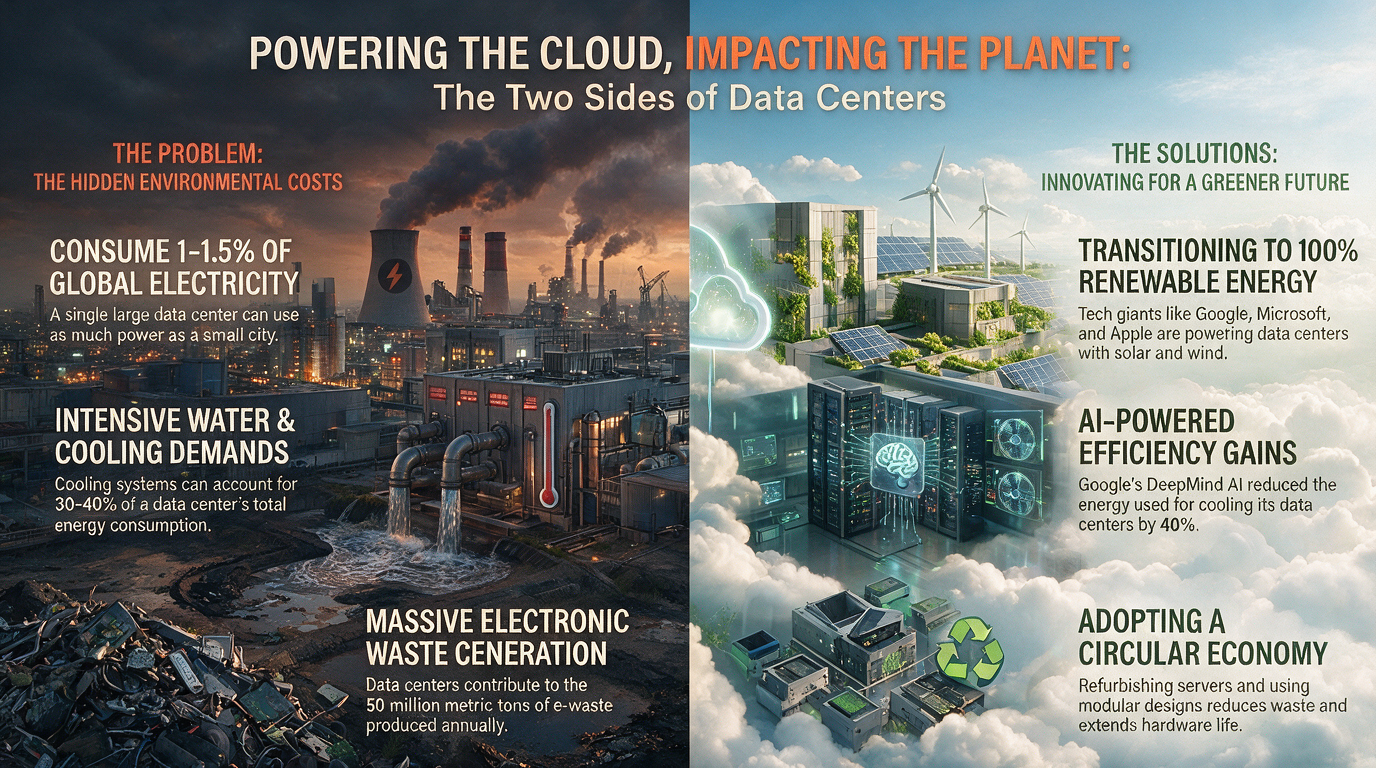
Data Centres and a Future Shaped by AI
Risks, responsibilities and the regenerative approach.
 Media partner of the Green Data Center Conference (4 Nov)
- When:
- 6 Nov. 2026
- Location:
- ABN AMRO, Tivoli 1+2, Beneluxlaan 1010, Utrecht
- Event fee:
- €100 (whole day) covers direct event costs. An optional donation supports Regenerative Labs.
About this event
Purpose of the day
Data centres and AI are becoming central to economic activity, public services and everyday life. They also bring difficult questions that are often deferred: who pays for rising electricity demand and grid reinforcement; whose water, land and infrastructure are used; what happens to equipment when it becomes obsolete; how are heat, waste, emissions and ecological impacts managed; and who is accountable when the benefits accrue in one place while the costs are carried elsewhere? This day creates a disciplined space for those questions. It brings investors, banks, boards, owners, developers, regulators, municipalities, politicians, researchers, biomimicry experts, regenerative practitioners, SMEs and corporate partners together to identify the risks, opportunities and fears surrounding data centres and the AI transformation, and to turn them into practical working groups, sponsor commitments and near-term projects.
The programme uses the decision-support approach developed by Regenerative Labs with WhatxNext and SparkHealth: systems thinking and simulation to test choices before capital is committed; sustainability, compliance, governance, risk and monitoring to follow delivery; and a regenerative standard to judge whether and how people, society, planet and Nature are genuinely better off.
Why this matters now
The direct cost of data-centre expansion is substantial. So are its wider economic, environmental, ecological and social costs. New capacity needs power, grid connections, water, land, equipment, networks, construction, maintenance and skilled people. Public systems may need reinforcement to accommodate private demand. If costs are not made visible and allocated fairly, taxpayers and other grid and water users may ultimately carry part of the burden through public infrastructure investment, constrained access or higher system costs.
There are also externalised costs: pressure on water systems and biodiversity; opportunity costs where land or grid capacity cannot be used by homes, SMEs, agriculture or other services; waste from servers, racks and cooling equipment; supply-chain dependencies; and loss of trust where local people see disruption without a credible share in the benefits. These impacts do not make data centres inherently unacceptable. They make system-level decision quality essential.
The conference begins with this reality. It does not frame AI and data centres only as a technology opportunity, nor only as a problem. It asks what conditions would make digital infrastructure economically credible, environmentally responsible, socially legitimate and regenerative in the places that host it.
Speakers




Program
09:30–10:00
Registration, coffee and the cost-of-compute wall
Meet fellow participants and contribute the questions, concerns and opportunities that should shape the day.
10:00–10:15
Welcome: Why this conversation, why now?
Team Regenerative Labs
Introduce the purpose of Regenerative Labs and establish the day’s shared questions and intended outcomes.
10:15–11:15
Keynote and audience dialogue: AI, data centres and the costs we are not pricing.
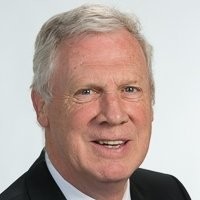
Prof. Emeritus Jaap van den Herik, Dr. Deepti Panicker-Ligtenberg
Explore different AI applications, their infrastructure requirements and the costs and responsibilities that conventional business cases may overlook.
11:15–11:30
Morning break
Coffee and informal exchange.
11:30–12:30
Interactive systems session: Seeing the whole data-centre system
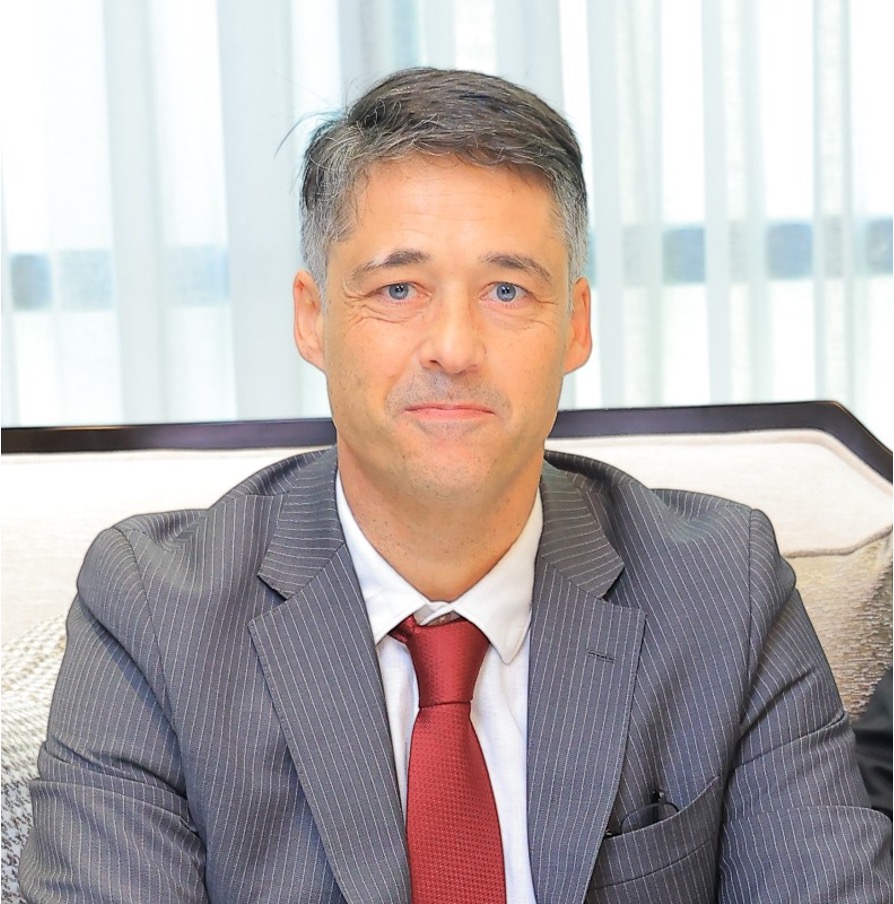
Dr. Jorge Sousa
Demonstrate how systems thinking and simulation can help participants examine interdependencies, test assumptions and assess investment choices.
12:30–13:30
Lunch
Networking and informal discussion.
13:40–14:00
A different starting point: Designing data centres with Nature and society
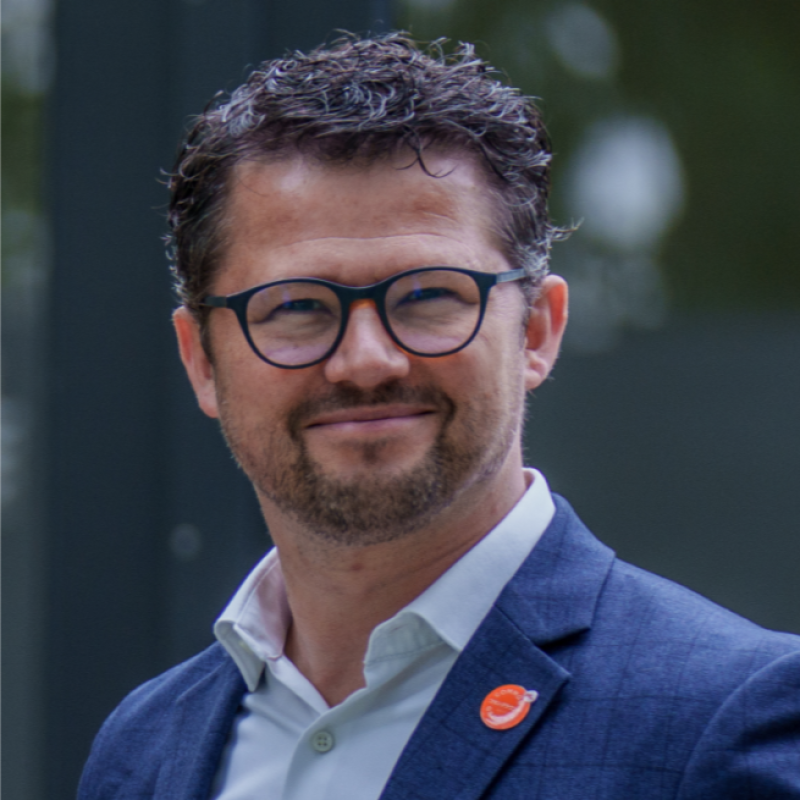
Gerard van den Hoeven and team at Silva Village
Present a regenerative design proposition that considers regional resources, circularity and community value from the outset.
14:00–15:00
Multidisciplinary panel: Who pays, who benefits and who decides?
Examine how costs, benefits and responsibilities should be shared across operators, investors, public authorities, infrastructure providers and communities.
15:00–15:10
Short break
Transition to the working workshops.
15:10–16:25
Working workshops: From concern to a testable project
Develop focused project proposals, identify contributors and outline practical next steps.
16:25–16:50
Working groups, sponsorship and partner propositions
Explore how partners can contribute expertise, data, funding or a live case to support follow-up work.
16:50–17:00
Acknowledgements and close
Session highlights
AI, data centres and the costs we are not pricing
10:15–11:15
The keynote and facilitated audience dialogue will distinguish between AI applications and their implications for digital infrastructure. Discussion will consider operator costs alongside wider infrastructure, environmental, community and lifecycle costs.
The session combines a 30-minute keynote with 30 minutes of audience interaction. Participants’ questions will inform the systems session and afternoon workshops.
Seeing the whole data-centre system
11:30–12:30
An interactive demonstration will explore how energy, water, cooling, heat, land, equipment, investment and community interests influence one another.
Using the decision-support approach developed by Regenerative Labs with WhatxNext and SparkHealth, the session will connect scenario testing with the indicators, governance and evidence needed to monitor delivery. Participants will contribute assumptions and trade-offs for discussion.
Designing data centres with Nature and society
13:40–14:00
This presentation asks how a data centre could strengthen the living and economic systems around it, rather than simply minimise impacts within its own boundaries.
The proposed approach considers shared regional resources, equipment lifecycles, heat reuse, ecological conditions and measurable community benefits from the first design decision.
Who pays, who benefits and who decides?
14:00–15:00
A moderated panel will examine concrete dilemmas, including constrained grid capacity, cooling choices, infrastructure funding, heat reuse and community benefit.
Proposed perspectives include data-centre operations and development, finance, public authorities, utilities, Nature-based design and civil society. All panellists are to be confirmed.
The central questions are:
- Which costs must become visible before decisions are made?
- Which responsibilities should not be passed to others?
- What conditions should accompany investment, approval or public support?
- Where can collaboration lead to a practical project?
Working workshops
15:10–16:25
Participants will join one of six proposed thematic groups. Each group will develop a short project proposition, identify relevant expertise and data, and outline a route towards further testing and implementation.
| Workshop | Central question | Intended output |
|---|---|---|
| Energy, grid and public cost | How can capacity growth be planned without unfairly transferring infrastructure costs to other users or taxpayers? | A regional capacity and cost-allocation study or pilot proposal. |
| Water, cooling and Nature | Which choices reduce regional water pressure and respect ecological limits? | A proposal for a water and Nature baseline for a candidate site or region. |
| Circular equipment and resilient maintenance | How can maintenance, repair, reuse, refurbishment and recycling be built into lifecycle decisions? | A circular asset and lifecycle measurement protocol. |
| Heat, land and community value | How can heat reuse, land use and local benefits become viable and measurable? | A place-based project concept with defined community benefits. |
| Governance, regulation and evidence | Which conditions, indicators and evidence should guide permitting, oversight and reporting? | A proposed monitoring and accountability framework. |
| Finance, investment and regenerative value | How can investment decisions account for resilience, wider impacts and long-term regional value? | An investment-decision framework and partner proposition. |
- Energy, grid and public cost
- How can capacity growth be planned without unfairly transferring infrastructure costs to other users or taxpayers?
- Intended output: A regional capacity and cost-allocation study or pilot proposal.
- Water, cooling and Nature
- Which choices reduce regional water pressure and respect ecological limits?
- Intended output: A proposal for a water and Nature baseline for a candidate site or region.
- Circular equipment and resilient maintenance
- How can maintenance, repair, reuse, refurbishment and recycling be built into lifecycle decisions?
- Intended output: A circular asset and lifecycle measurement protocol.
- Heat, land and community value
- How can heat reuse, land use and local benefits become viable and measurable?
- Intended output: A place-based project concept with defined community benefits.
- Governance, regulation and evidence
- Which conditions, indicators and evidence should guide permitting, oversight and reporting?
- Intended output: A proposed monitoring and accountability framework.
- Finance, investment and regenerative value
- How can investment decisions account for resilience, wider impacts and long-term regional value?
- Intended output: An investment-decision framework and partner proposition.
Intended outcomes
- A shared understanding of the most significant risks, opportunities and unresolved questions.
- Draft project propositions grounded in real operational or regional challenges.
- Prospective working groups with relevant expertise and potential case partners.
- Opportunities for sponsorship, commissioning and practical support.
- Clear next steps towards evidence-based decisions and measurable outcomes.
For prospective speakers and contributors
We welcome contributions that connect specialist expertise with wider system consequences. Sessions should bring forward practical examples, make assumptions and trade-offs visible, and help participants identify decisions that can be tested or improved together.
The emphasis is on constructive dialogue and collaboration, rather than standalone promotional presentations.